ARTIST INTERVIEW: ANDREW HIRD
Andrew Hird
Please introduce yourself. What initially inspired you to become an artist?
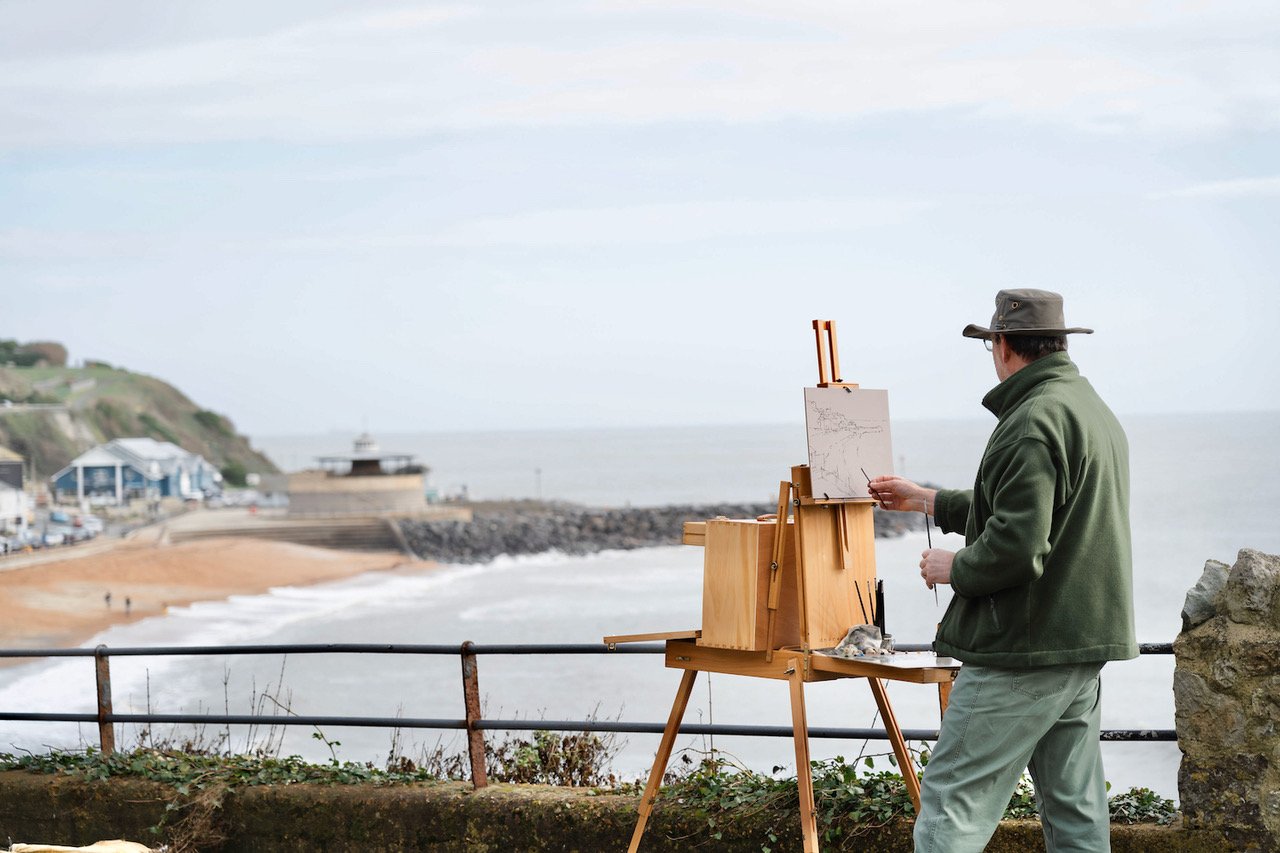
My name is Andrew Hird, I’m a painter living on the Isle of Wight in the UK. I became a full time artist several years ago, it had been a long held ambition and as my paintings started to sell regularly, I decided to take the plunge. It’s certainly not a career for the faint hearted! There’s always financial uncertainty as income ebbs and flows, and I think many artists feel a nagging sense of self doubt that makes you wonder if sales will dry up, but the highs definitely balance out the lows over time.
What compelled you to paint landscapes? What are the characteristics of an interesting scene to paint?
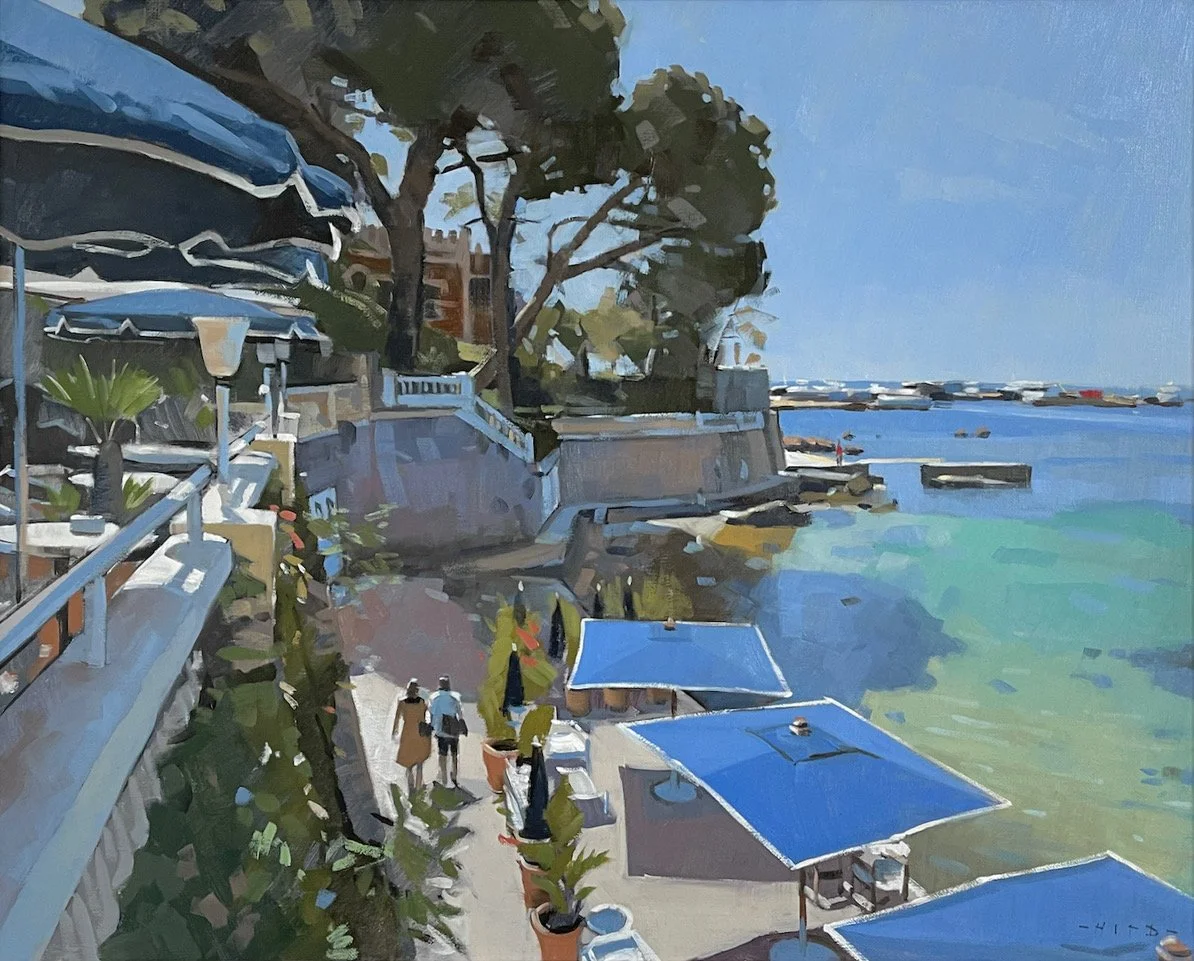
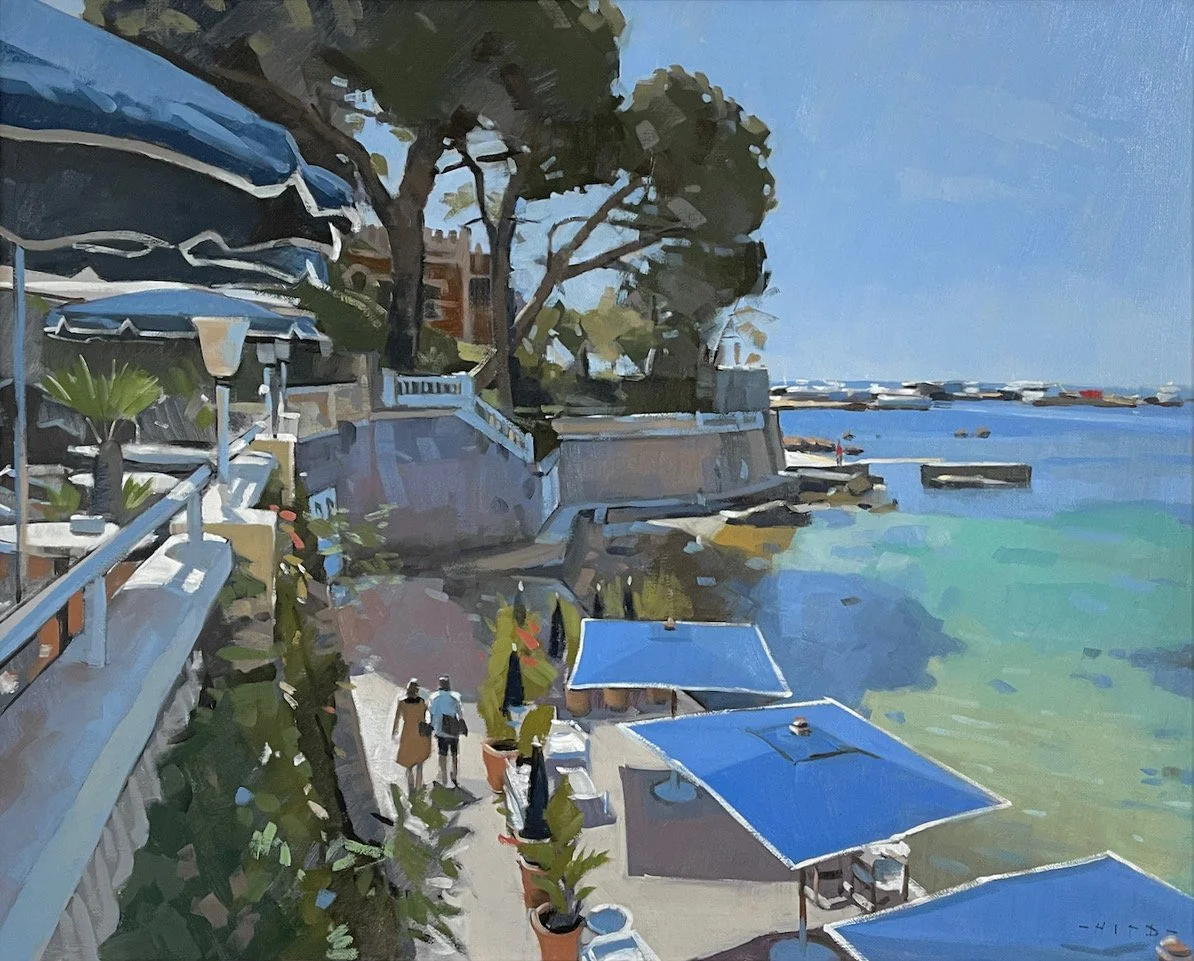
I paint landscapes because they tend to offer the ingredients that interest me. I like structure so tend to look for compositions with strong horizontal and vertical aspects. I’ll also look for interesting details that can enhance a subject - I recently painted a view from a hotel terrace in the south of France, and it was the square parasols that caught my eye, something really simple but attractive in their shape and colour. In the painting they bind together the composition, if you remove them (hold your thumb over the image) to my eye it’s a lot weaker without them. Many of my paintings include something like that, a relatively simple ingredient but the foundation of the original idea.
Belle Rives
You travel with a sketchbook and paints to capture new ideas and reference material. What was your last sketchbook entry?
I’m mostly a reactive sketcher, I see potential subjects and draw just to focus on the looking. I find by studying a subject intensely for as little as ten minutes a huge amount of information soaks in, and if I start painting that subject soon after much of that comes flooding back. I also take photographs which are really handy for detail, but to use them I need that physical engagement with the subject to produce a successful painting. Working from photographs is always an interpretation rather than just copying.
Why is plein air painting an important part of your process?
Painting plein air is important for the same reason as sketching, and often goes hand in hand with drawing on location. Increasingly, my plein air paintings have become reference sketches which explore colour and tone for use back in the studio. It’s also a very liberating process which I find opens the mind – it’s really useful when studio work closes down on you, the freedom to paint from life without worrying too much about the result (many get wiped) often acts as a reset for me. I think it’s like switching a computer off and then on again – whatever was causing a problem often goes away!
Isle of Wight
Thinking about your most recent painting, how did you establish the composition? Describe your creative process from start to finish.
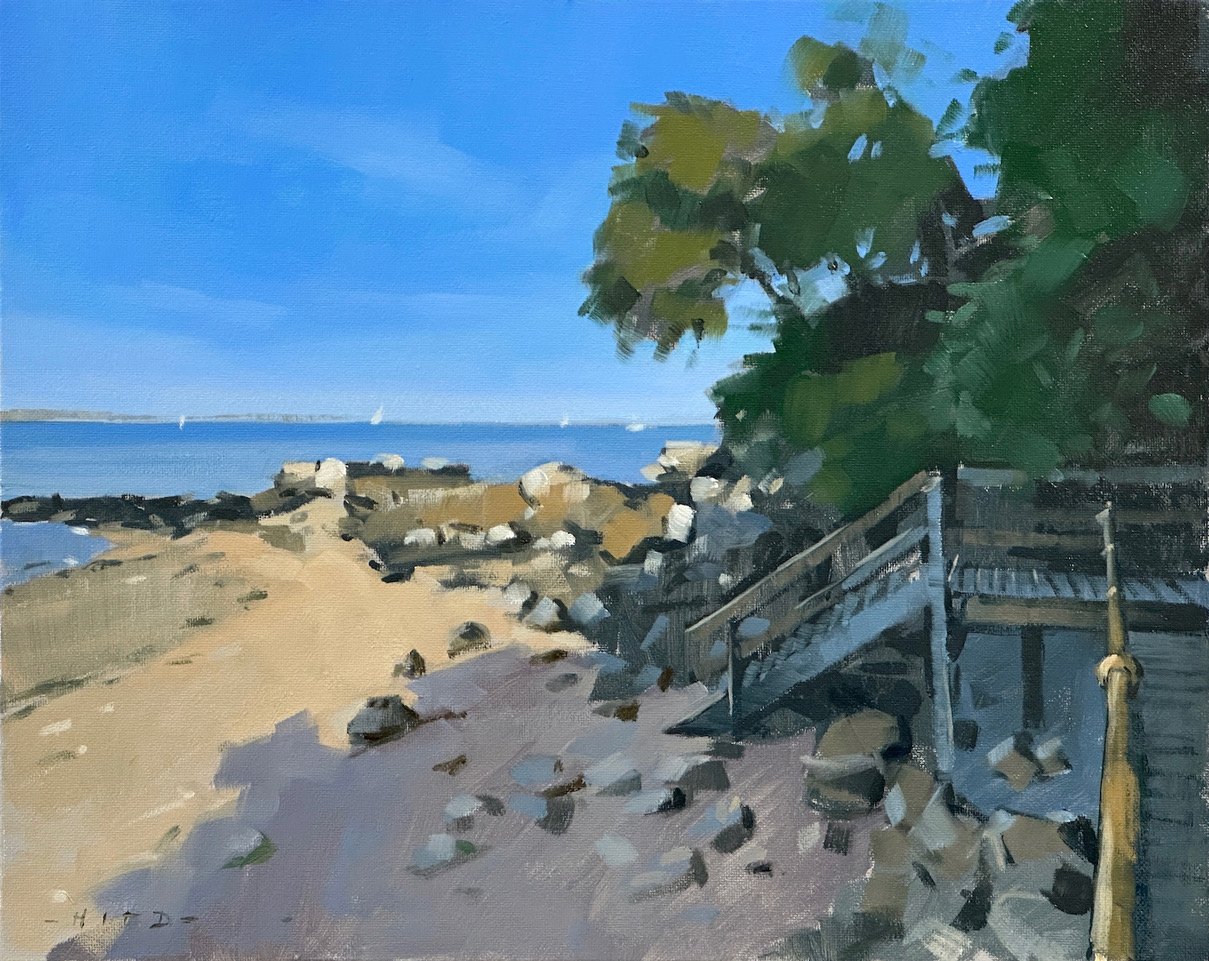
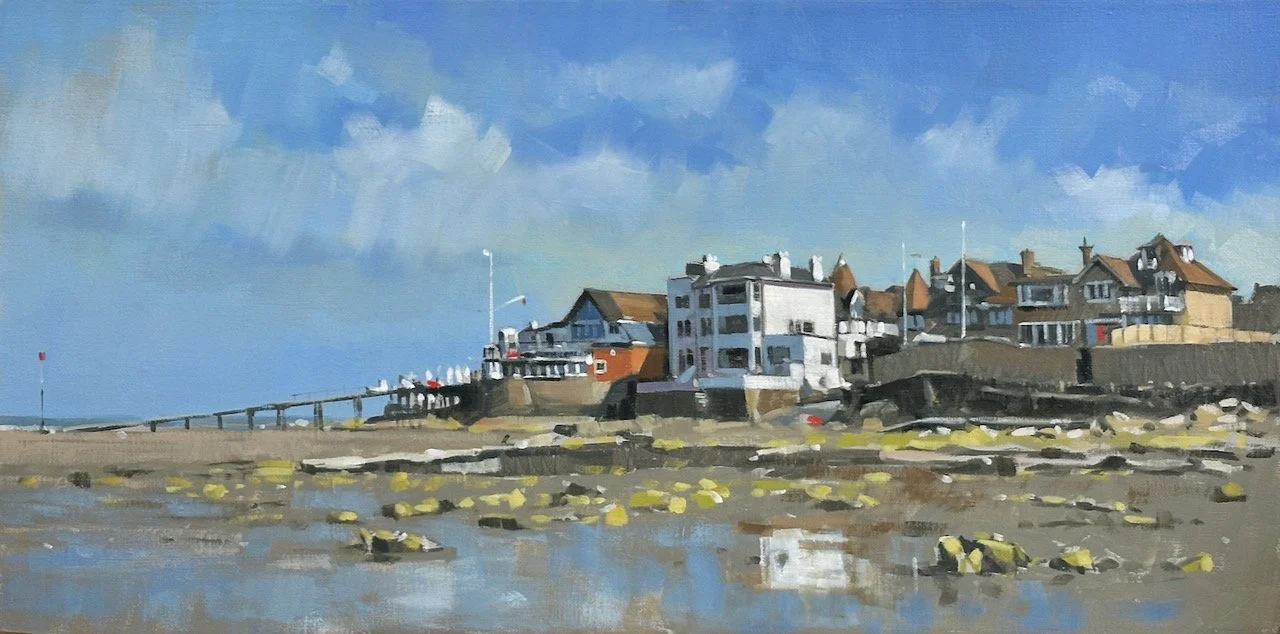
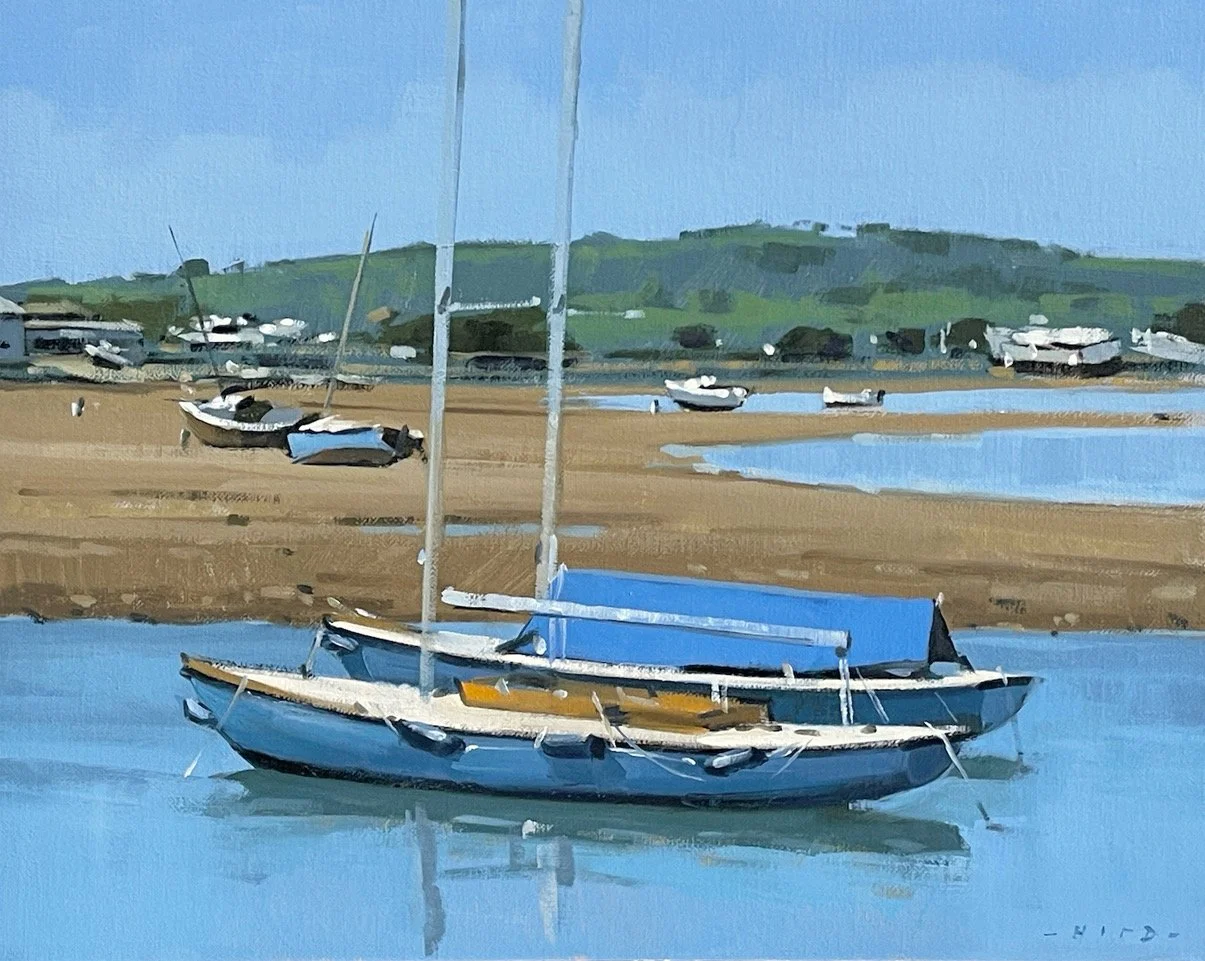
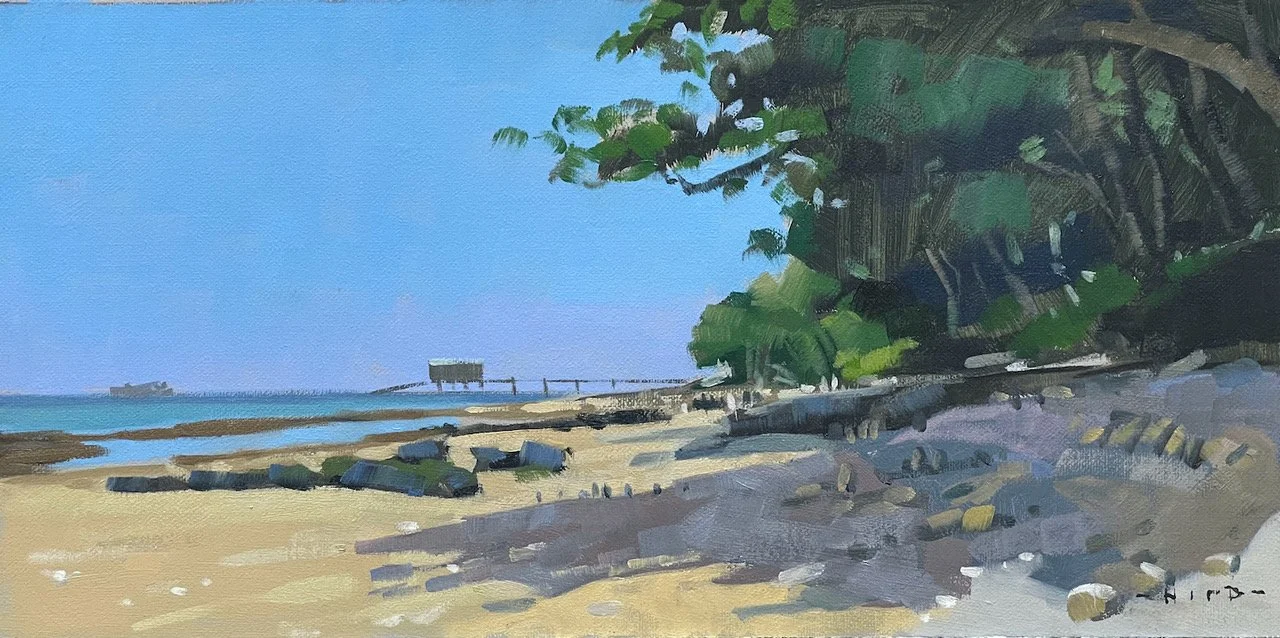
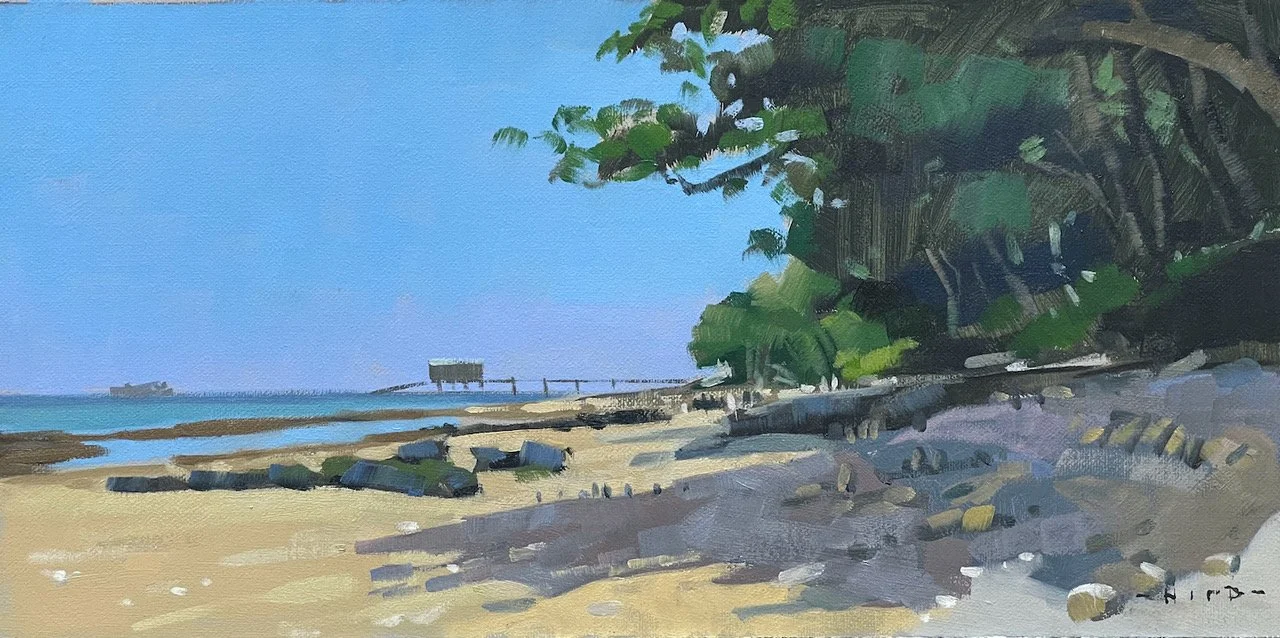
I’ve just finished a series of paintings from my local coastline on the Isle of Wight. They’re really familiar locations but always offer something new to me. The paintings all started from a walk along the beach at low tide and include elements that I find appealing and work into satisfying compositions. For each, I painted a small study first while the scene was fresh in my mind. Some of the studies felt like they could grow, so I have expanded them onto larger canvases. Sometimes a subject warrants a return visit to explore further, I have many favourite locations and am always interested to see how they change over time and in different weather.
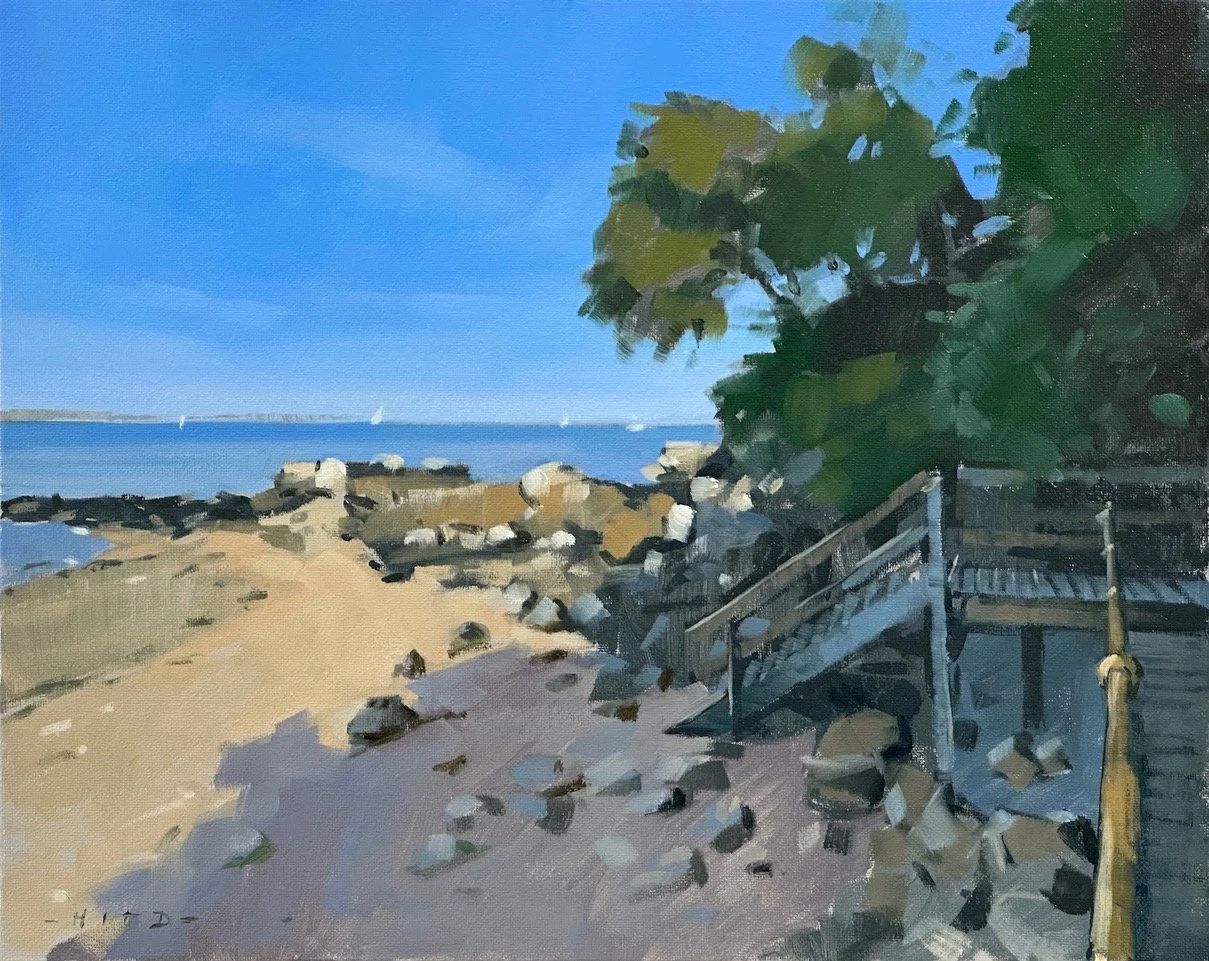
Isle of Wight
You have painted a variety of towns and cities, including London and Venice. Which place inspired you the most, and why?
It’s really hard to choose between London and Venice, they’re such different places and have unique qualities. The light is always a key factor and Venice is famous for that probably due to it’s marine climate. London is more familiar, possibly because I know it well and can relate to it’s atmosphere and moods. I do find any cityscape rewarding to draw and paint – again it’s the strong structure of horizontals and verticals that attracts me.
What does a day in your life look like for you as an artist? Which part of your artistic practice fulfils you the most?
I tend to split my day between admin and painting. Often, I find it hard to get started in the studio, I recently read another artist describe it as like overcoming stage fright, so tend to put off the moment by doing admin first. There’s always plenty of things to do such as answering emails, ordering supplies, updating accounts, etc. As a result, I tend to work best once the daily ‘business’ of art has been dealt with and I’m in the right frame of mind. Even then the first hour or two can be hard going and often not successful, but eventually things start to come together. I’ve found listening to podcasts and audiobooks can be helpful, the spoken word is distracting so painting becomes instinctive and less inclined to get overworked. I still have some days that are just complete disasters though, although I’ve learnt not to discard a painting straight away but to put it out of sight for a week or two and then reconsider – sometimes fresh eyes help find a new energy to go forward.
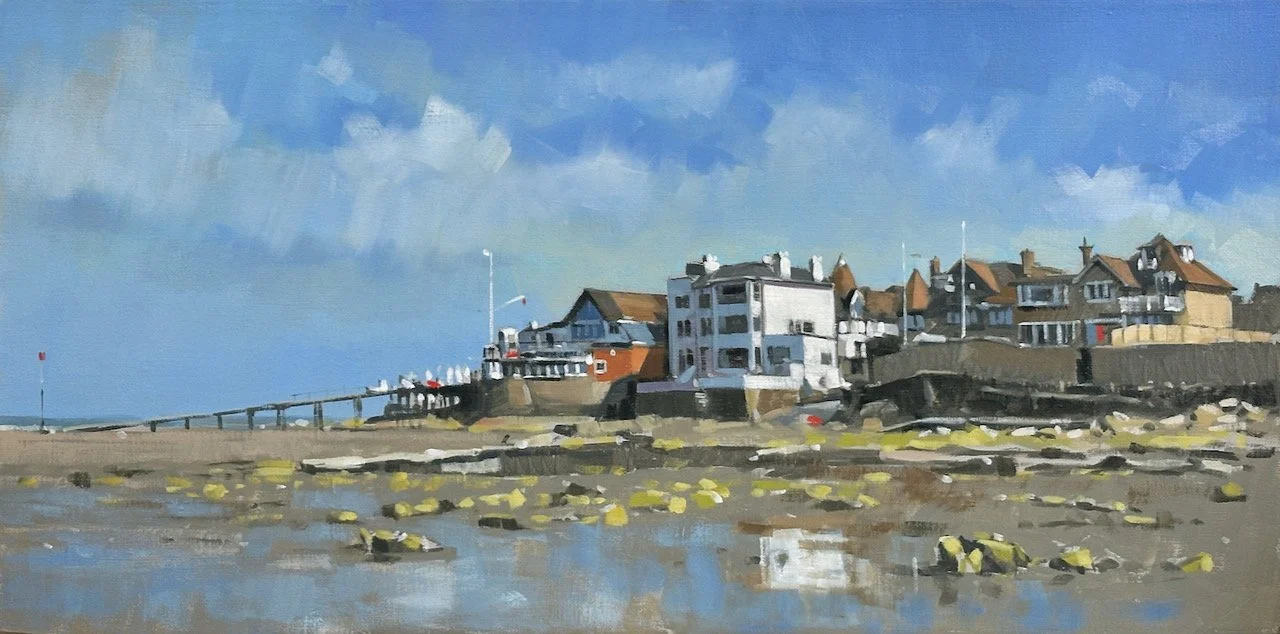
Isle of Wight
Who is your greatest artist inspiration? If you could ask them one question, what would it be?
A really hard question! There are so many artists that inspire me and I discover new ones every time I visit a gallery. I’m particularly interested in the artists from the Euston Road school and the generation associated with the Slade under William Coldstream and Patrick George – their method and style of observational painting I find really inspiring. I’m not sure I’d have any particular question to ask, it would just be fascinating to watch them work.
What are your future aspirations as an artist?
I don’t really have any future aspirations as such. I’m always on the lookout for new ideas and locations, and welcome any opportunity for travel. I work with some excellent galleries and arrange my own solo exhibition once a year, so feel things work pretty well in that respect. I was elected into the Royal Society of Marine Artists last year and am looking forward to getting involved in society events. Because the day to day existence of a painter is quite solitary, I find meeting and collaborating with other artists is always rewarding.
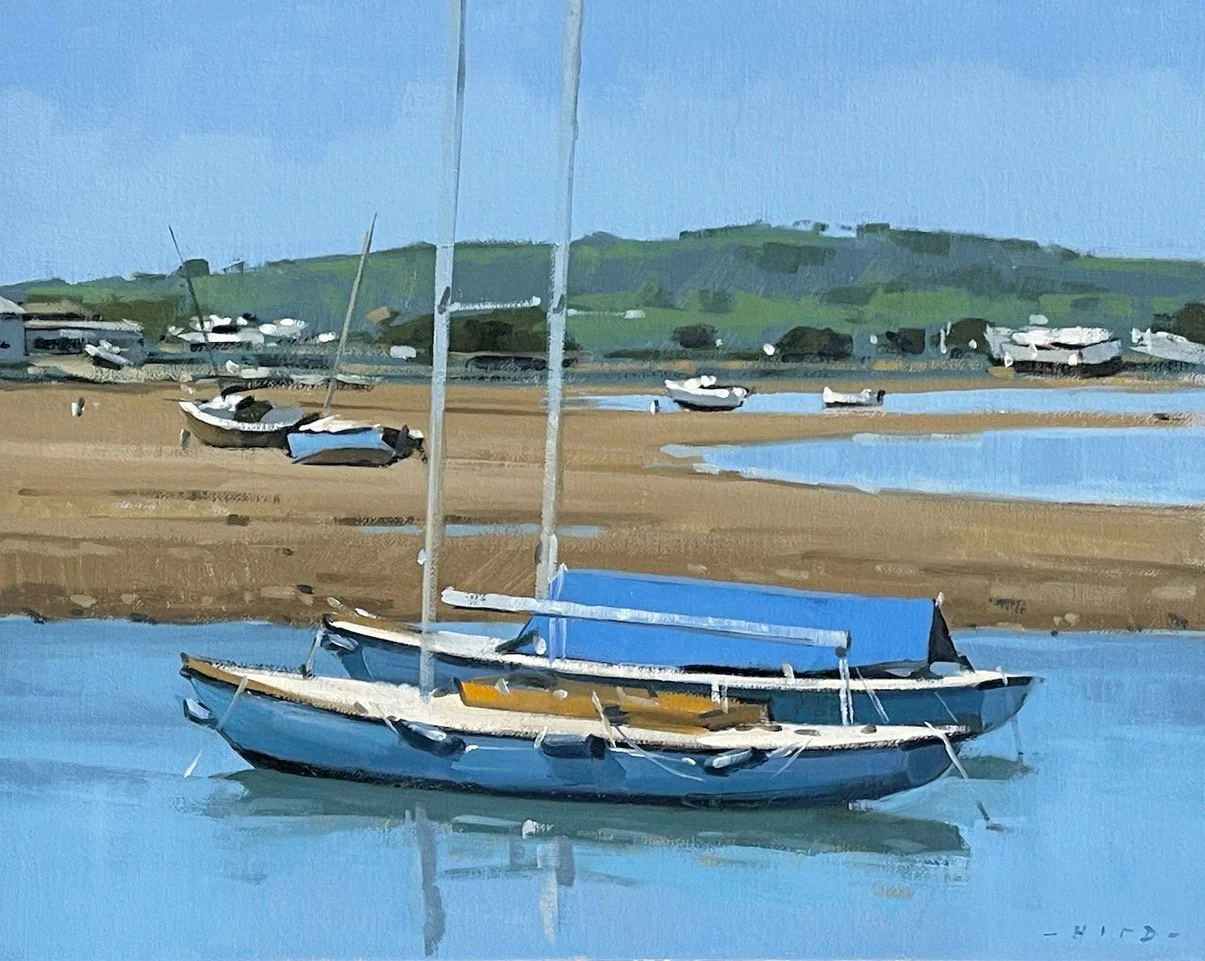
Isle of Wight
Why do you think art is important in society?
That’s a really big question! Art has so many facets and affects society in a multitude of ways - it can be joyful and stimulating, then thought provoking and challenging. Every human emotion is touched by art and whether it makes us happy, sad or angry it nourishes us. Would civilisation exist without art?